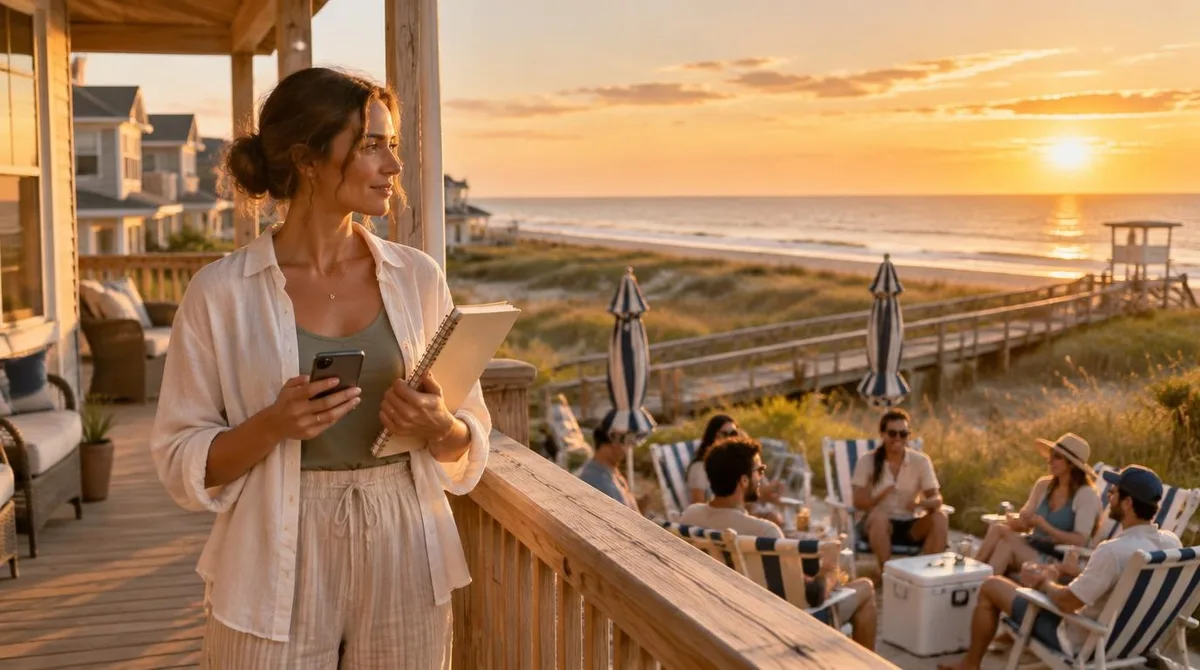
A good girls weekend is not a packed itinerary. It is one shared anchor — a market, a hike, a long dinner — with slack built around it. The groups that come home happy plan less, not more, and they agree on money before anyone packs a bag.
The trick is picking a trip shape that fits the group, not the group photo. Some weekends are built around food. Some around a trailhead. Some around a hotel pool and nothing else. All three can work; the failure mode is trying to do all three in forty-eight hours.
What this means: pick one anchor, then protect it
Every successful group weekend has a single thing everyone commits to. It might be a Saturday morning farmers market, a booked dinner, a spa block or a half-day hike. Everything else stays optional. When the anchor is fixed and everything else floats, nobody feels herded and nobody feels left behind.
The anchor should be booked or timed in advance, because it is the one thing the whole group has agreed on. The floating parts — coffee, shopping, an afternoon nap — cost nothing to skip. That flexibility is what keeps a weekend from turning into a schedule with feelings.
It also helps to name the trip's energy out loud before booking. A rest weekend and a sightseeing weekend are different animals. A group that wants a slow one should not book a city three hours from the nearest good breakfast, and a group that wants to walk should not book a resort twenty minutes from anything.
Where to go: match the place to the group
City stops work well when the group wants food and walking. A walkable downtown with a market, a few good restaurants and one museum covers a weekend without a car fight. Small cities often beat big ones here: shorter distances, easier parking, tables you can actually get.
Nature weekends work when the group wants quiet. A park gateway town, a lake cabin or a hot-springs stop gives people something to do together in the morning and permission to do nothing in the afternoon. Check the season before committing — a trail town in July and the same town in March are two different trips, and shoulder seasons often mean easier bookings and emptier roads.
Wine, spa and small-town weekends work when the group wants to talk more than it wants to see things. The place matters less than the seating: long tables, unhurried kitchens, a porch. This is the trip shape where a rented house beats a hotel, because the living room becomes the main attraction.
For groups torn between shapes, the broader method of choosing a short escape is covered in Weekend Trip Ideas That Work: How to Pick a Short Escape Worth the Miles, which applies just as well to a group as to a couple. For related coverage, see Weekend Trip Ideas That Work: How to Pick a Short Escape Worth the Miles.
How to plan it: a simple order of operations
Group planning goes sideways when everyone plans everything. A cleaner sequence:
- Agree on the anchor first. One poll, one question: rest or roam? Everything else follows from the answer.
- Fix the dates before the destination. A weekend everyone can actually attend matters more than the perfect town. Two or three date options, decided by a deadline, beats an open thread that dies.
- Book the anchor and the beds. Lodging and the one shared booking come next. Everything after this can flex.
- Settle the money early. Decide upfront whether costs split evenly or everyone pays her own way, and use a shared expense app so nobody tracks receipts on a napkin. Resentment over forty dollars ruins more weekends than bad weather does.
- Leave one evening unplanned. The spontaneous night — the dive bar, the second dessert, the long porch talk — is usually the one people remember.
The money conversation nobody wants but everyone needs
Budgets differ inside any friend group, and pretending they don't is how someone ends up eating a tasting menu she can't afford while smiling. The fix is unglamorous: name a rough per-person range for lodging and the anchor activity before booking anything. Then pick a place where the person at the bottom of the range can eat well, not just eat.
This is where the planner's eye matters. A town with one expensive restaurant and three good cheap ones beats a town with only one good restaurant at any price. A rented house with a kitchen lets the group cook one night, which saves money and often becomes the best meal of the trip. The point is not frugality for its own sake; it is making sure the cheapest option at the table is still a good one.
Split costs transparently. One person books the house, one handles the anchor booking, and a shared tally settles it at the end. Nobody should spend a weekend doing arithmetic in her head.
What to eat: plan one meal properly and let the rest happen
Food is where group weekends are won. The reliable pattern is one proper, booked meal — lunch or dinner, agreed in advance — and the rest left to mood. A market breakfast, a counter lunch, a snack crawl: these work best unplanned, when the group is already hungry and already there.
When choosing that one booked meal, look for the signs that a kitchen cares: a short menu, a staff that can say who makes the bread, a room where the cooks eat what the guests eat. A table big enough for the whole group matters more than a famous name. And book early — group tables in small restaurants go first, not last.
It is worth remembering that the shared meal is a cultural fixture, not just a logistics item. Even television has long traded on the friendship-dinner dynamic; the comedy series Girls, described on HBO Max as following a young woman and her three friends through their post-collegiate years in New York, built entire episodes around group dinners that went wrong in exactly the ways real ones do. The lesson travels: the dinner is the trip, so give it room.
When the plan changes: build in the split
The most underrated feature of a good girls weekend is permission to split up. Six people will never want the same thing at the same time on a Saturday afternoon, and a plan that requires it will fray by two o'clock. Say it out loud on day one: anyone can peel off, no one takes it personally, everyone regroups for the anchor.
Practical scaffolding helps. Pick lodging with a common space so the split never feels like scattering. Know where the nearest coffee and the nearest pharmacy are before anyone needs them. If driving, agree on the driver-and-fuel arrangement before the first tank, not after. And if someone booked the trip, let her hand off decisions once she's on the road — the planner deserves to be on vacation too.
Weather, closures and full parking lots are not emergencies; they are the trip. A group that treats a rerouted afternoon as part of the story comes home with a better story.
The takeaway
The best girls weekend trip ideas share a skeleton: one anchor, honest budgets, loose afternoons and a booked table. The destination is almost negotiable; the structure is not. Pick a place the whole group can reach without heroics, agree on money while everyone still likes each other, and protect one long meal. The rest takes care of itself.
The contingency worth knowing: whatever the itinerary says, the group will split on Saturday afternoon. Plan for it — a common space, a regroup time and no hurt feelings — and the weekend survives anything the weather or the parking does to it.