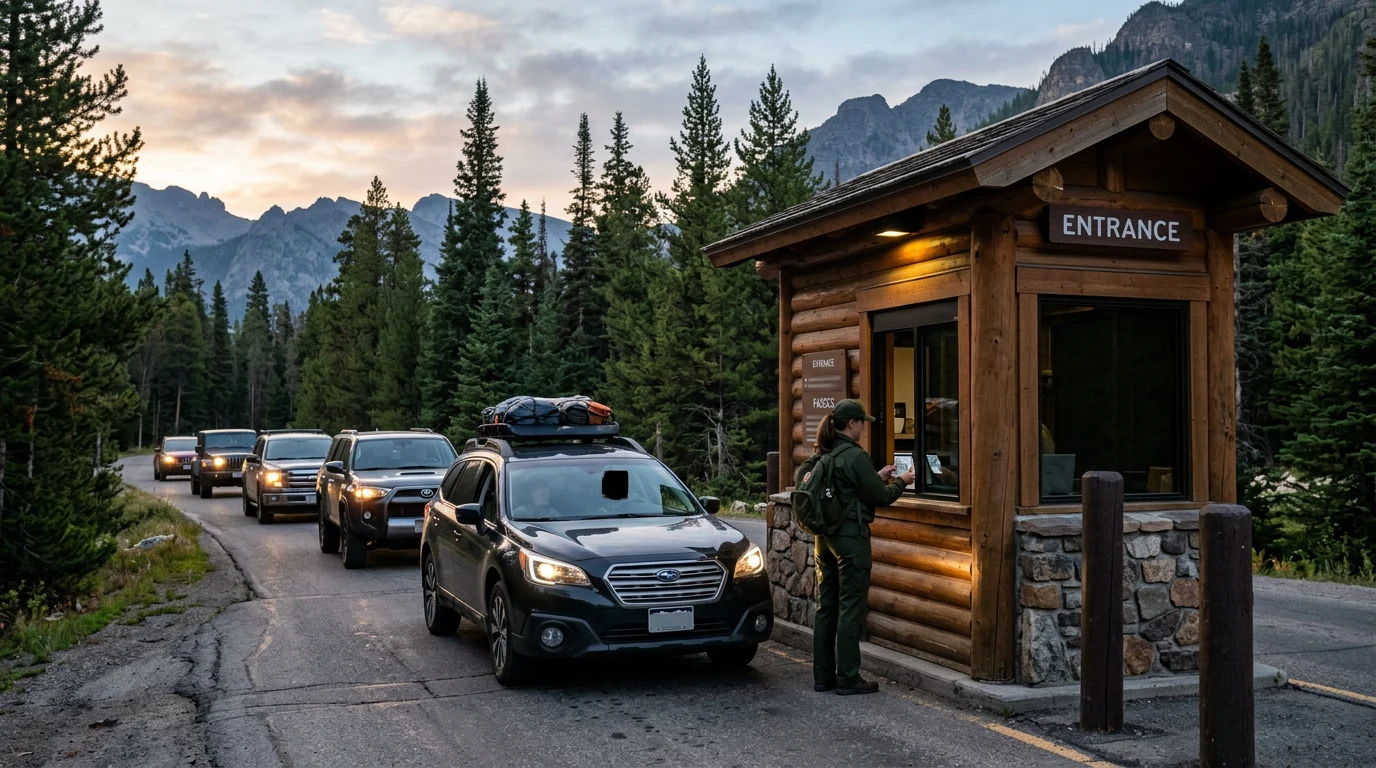
Big Bend National Park occupies the empty corner of southwest Texas where the highways thin out and the map goes quiet. The park itself warns that its isolation draws many travelers and demands careful preparation at the same time. Entrance runs $30 per private vehicle, good for seven days, and cards are the only payment accepted. No reservations are required and no visitor limits apply.
Three roads lead in, and each one sets the tone. TX 118 runs south from Alpine to Study Butte. FM 170 climbs from Presidio to Study Butte, then runs 26 miles east to park headquarters. Highways 90 and 385 meet at Marathon, and the road drops 70 miles south from there to headquarters. Every approach rewards a full tank and a paper map. This connects to our earlier piece, Olympic National Park in Three Days: The Loop That Ties the Worlds.
Why the Far Corner Costs a Day of Driving
The distance math explains the park apartness. Midland and Odessa sit 235 miles from park headquarters and host the nearest major airport with rental cars. El Paso sits 330 miles out. Alpine, 100 miles away, offers the closest Amtrak station and a Greyhound stop. There is no public transportation to, or within, the park, so a vehicle is the whole game. An Alpine base works well for the first night, and the train and bus give car-light travelers a rare foothold in farm country. From there, a rental car has to take over, because the park runs no transit of its own. The distances reward travelers who treat the drive as part of the trip rather than a tax on it. For related coverage, see Shenandoah National Park End to End: Skyline Drive Gap by Gap.
What the Park Serves Once the Gate Passes
The park pitches a short list of big experiences. Day hikes range across desert and canyon country. Scenic drives cruise through the same alluring scenery. Travelers can soak in the historic springs, join a ranger, or chase the dark night sky, which the park treats as an attraction in its own right. Bird watching runs strong, and river trips by raft, canoe or kayak round out the water side of the park. Bicycling, backcountry backpacking, horseback riding and plain wildlife watching fill out the list. The park grants no refunds for inclement weather, a policy worth knowing in a land of big weather.
What Big Bend National Park Asks of Every Vehicle
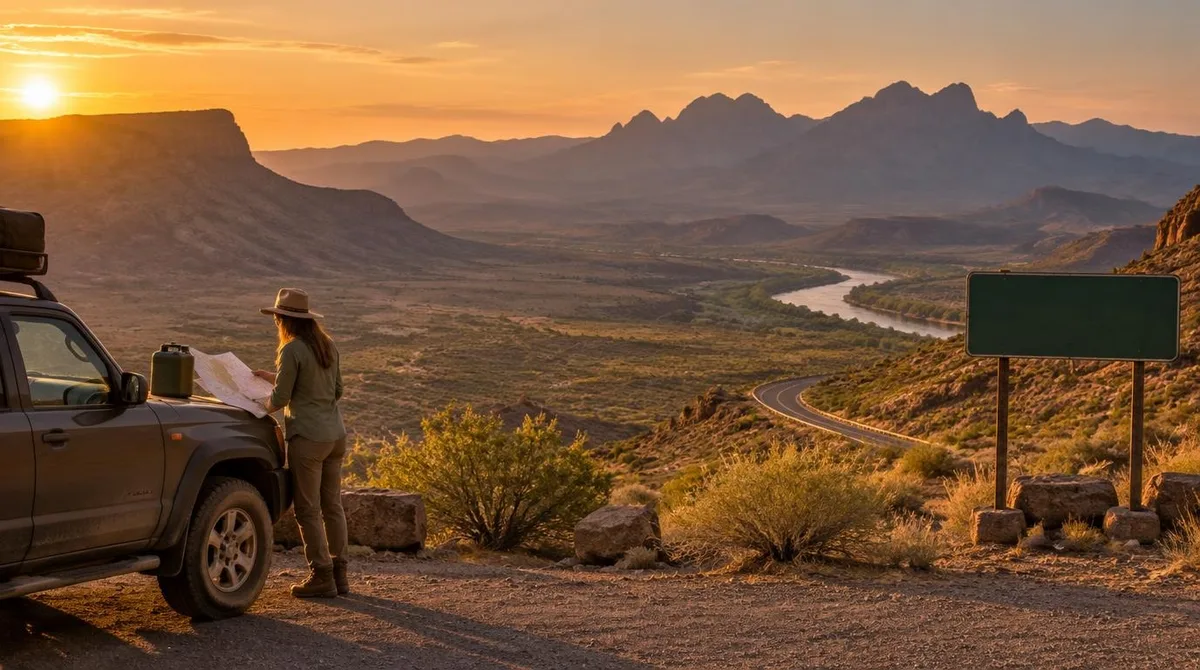
Big Bend National Park asks drivers to carry plenty of gas, oil, food and water, and the request is literal. No electric vehicle charging exists inside the park. The nearest station sits 130 miles away in Fort Stockton. Four camp stores operate inside the boundary, but stock runs limited. The last full grocery and hardware stops sit in Alpine, Fort Stockton and Del Rio. The park also warns that GPS apps sometimes suggest incorrect or dangerous roads, so paper maps belong on the dash.
Camping, Permits and the Free Days
Developed campgrounds run $16 per night per site, with reservations through recreation.gov. Backcountry permits cost $10 per night. Senior and access pass holders pay $8 a night at developed sites and $5 a night in the backcountry. Free entrance days land several times through 2026, including February 16, May 25, June 14, July 3 to 5, August 25, September 17, October 27 and November 11. Those dates reward flexible planners who can move on short notice.
Conclusion: Booking the Far Corner
The trip succeeds or fails on preparation, not luck. One concrete note shapes the whole run: book campground sites through recreation.gov before the drive starts, top off the tank and the water at the last real towns, and carry more snacks than seem reasonable, because the camp stores inside the park stock thin.