Olympic National Park packs three worlds inside one boundary. Glacier ridges rise in the middle. A temperate rain forest soaks the western valleys. Wild surf pounds remote Pacific beaches. Highway 101 rings the Olympic Peninsula, and short side roads branch toward each world, which turns the whole peninsula into one drivable loop. A private vehicle pass costs $30, holds for seven days, and the park takes cards only.
The loop logic matters more here than at most parks. Seattle travelers cross Puget Sound by Washington State Ferries out of Bainbridge Island, Kingston or Port Townsend. The Coho ferry links Port Angeles with Victoria in Canada. Sea-Tac serves as the main airport. From Tacoma, the route runs through Bremerton and across the Hood Canal Bridge, a span that closes at times for boat traffic.
How the Olympic National Park Loop Runs
Trips out of Olympia take Interstate 5 to Highway 101. Drivers coming up the coast connect at Aberdeen. The peninsula itself chews up miles, so most travelers give the full circuit two or three days at a minimum. Rain and snow can close park roads in fall and winter, and the park tells drivers to check conditions before every leg. Two bus services help travelers without a car. The Dungeness Bus Line runs from Sea-Tac Airport through Edmonds, Kingston, Sequim and Port Angeles. Clallam Transit links Port Angeles with Sequim and Forks along the north edge of Highway 101.
The Mountain World at Hurricane Ridge
Hurricane Ridge sits above Port Angeles as the mountain showcase. A shuttle serves it from downtown Port Angeles between May and the first of September. The first bus leaves at 8 a.m., and the last ride down leaves the ridge at 5:30 p.m. Outside that window, the ridge becomes a drive, and a weather check becomes the first job of the morning. Ranger programs and night sky programs run across the park through the year.
Rain Forest, Lakes and the Wild Coast
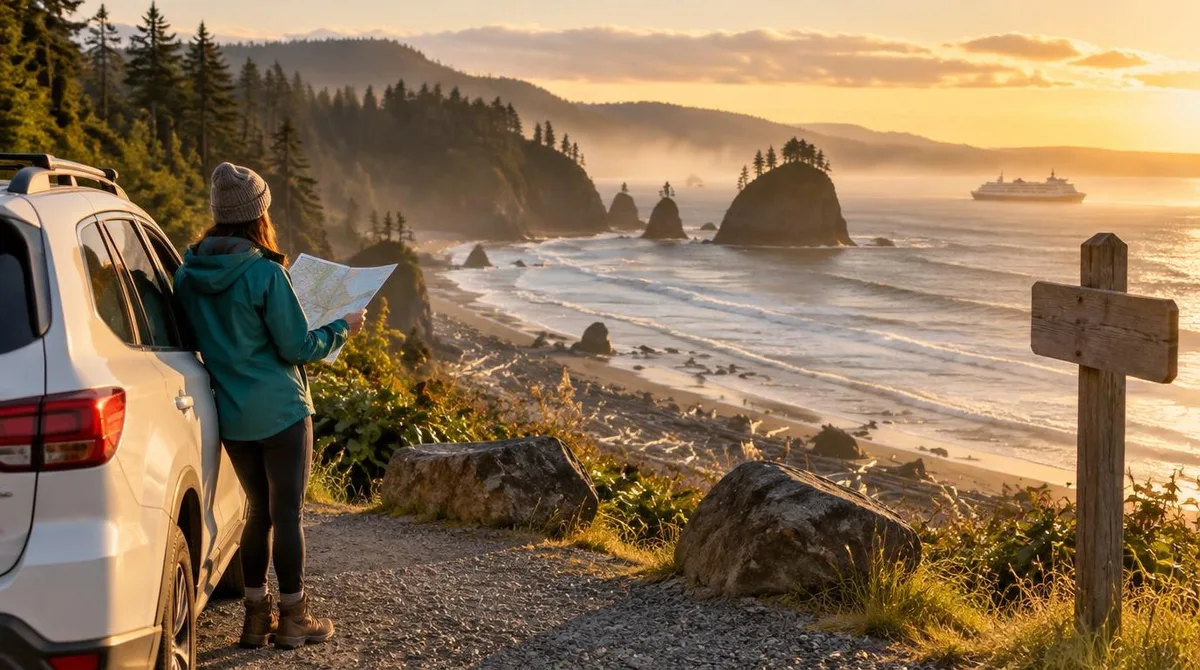
The western half holds the famous green country. Side roads reach the Hoh Rain Forest, Lake Crescent, Sol Duc and the Quinault country. On the coast, Mora and Rialto Beach sit north of Kalaloch. Tidepools line the rugged shoreline, and fishing runs in all seasons, as the park itself notes. Fourteen campgrounds sit inside the boundary for travelers who want to sleep inside the green.
What the Fees Look Like on Paper
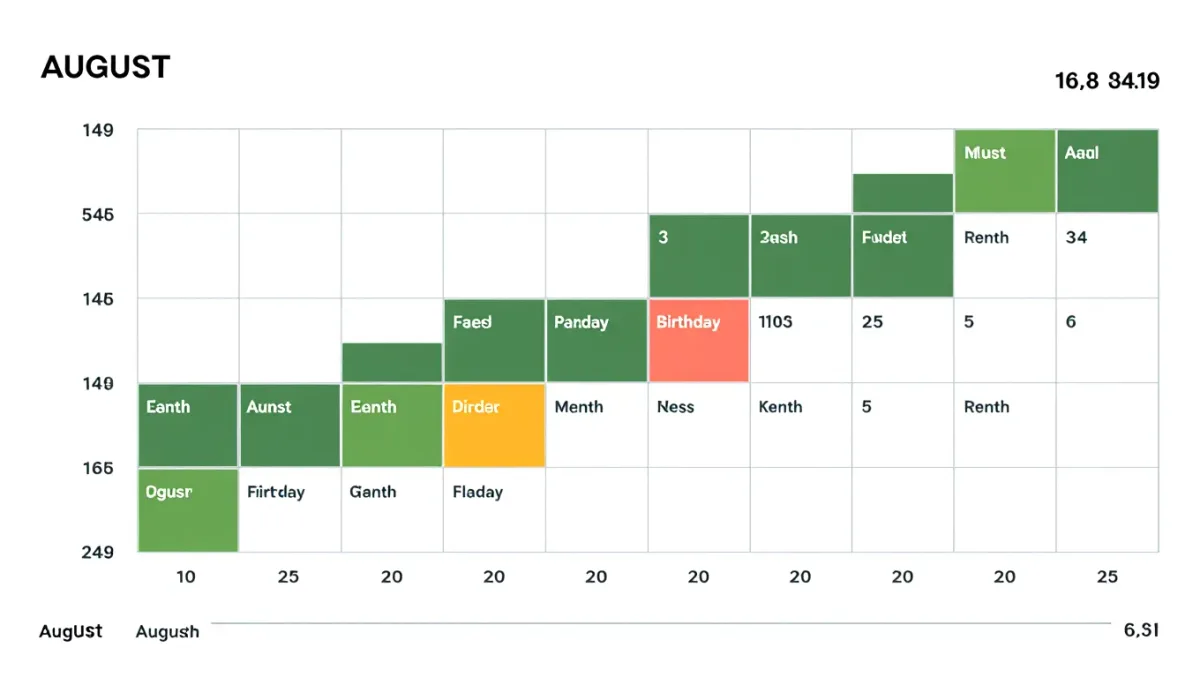
The vehicle pass covers everyone riding inside. Motorcycles pay $25, and travelers on foot or by bike pay $15 per person. An annual Olympic pass runs $55. Campsites run $15 to $24 a night, and wilderness permits cost $8 per person per night plus $6 per permit. RV dump stations add $10 per use. Free entrance days appear across the 2026 calendar, among them the NPS birthday on August 25. The park stays cashless, so every fee lands on a card or a mobile wallet.
When to Go and What to Book Ahead
The shuttle window, May through early September, marks the easiest season. Summer fills campgrounds first, so nights near Port Angeles and near Forks should be locked in early. The park sells digital passes online, and printing them helps where cell service fades. Winter trips trade crowds for closed roads and short days, and the park asks drivers to verify each road status before setting out. Winter changes the math at Olympic National Park but not the draw. The rain forest stays green, the surf stays loud, and the crowds stay thin. Road checks become daily habits, and the shuttle gives way to private wheels.
Conclusion: One Loop, Three Worlds
Olympic National Park rewards travelers who treat the loop as the itinerary itself. One concrete note settles the shape of the trip: ride the first Hurricane Ridge Shuttle at 8 a.m., be back down by 5:30 p.m., and spend the saved hours on the Hoh or the coast roads before the light goes. Readers following this should also see How to Read a Yellowstone National Park Map Like a Trip Plan.