National park foreign visitor fees took a hard turn on January 1, 2026. The fee sheet now splits by residency. United States citizens and residents keep the old prices. Visitors from other countries pay a new, higher tier at the gate. The Interior Department frames the change as a resident-first structure, with the added revenue pointed at park maintenance. For international road trippers, the numbers now shape the route budget as much as the fuel does.
The change lands on two prices and one list. An annual pass for non-residents costs $250. The resident version of the same pass costs $80. And at eleven of the most visited parks, nonresidents without a pass pay a $100 fee per person, on top of the regular entrance fee. Everything else on the fee sheet reads the same as before.
National Park Foreign Visitor Fees: The Two New Numbers
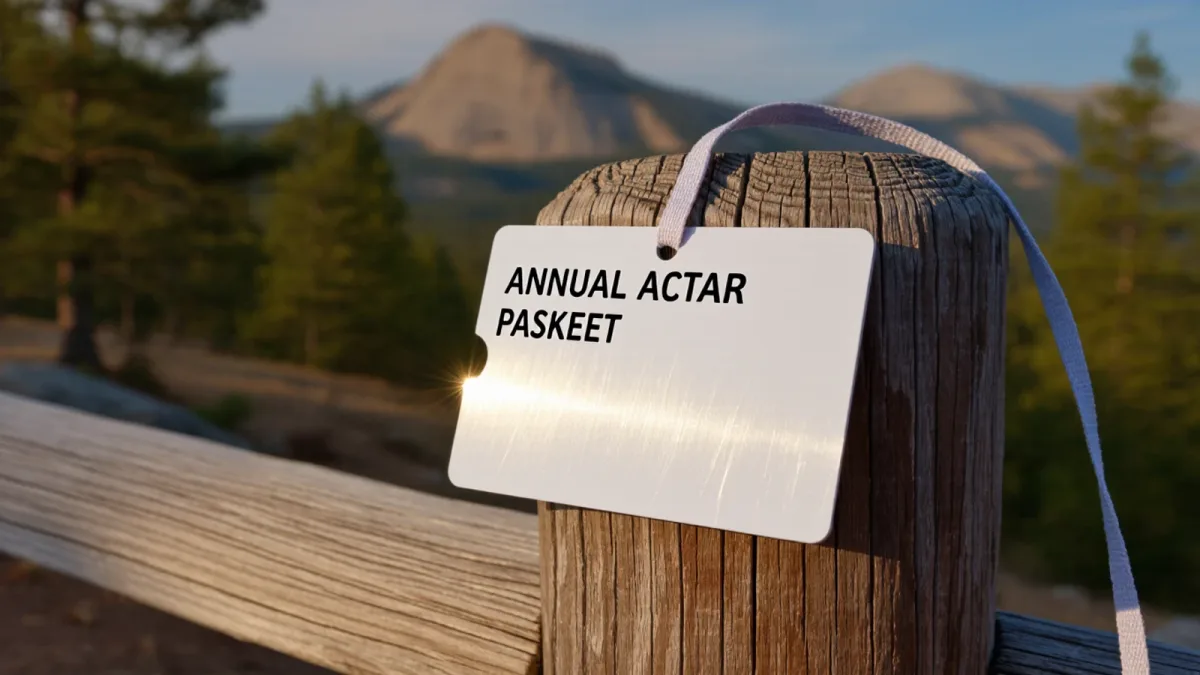
The America the Beautiful Annual Pass is the anchor of the system. The resident version costs $80. The non-resident version costs $250, and that gap is not symbolic. It pays for itself by the second or third big park on a long loop. The $250 pass covers the holder plus a private vehicle of up to 15 people. It also covers two motorcycles. At gates that charge per person, it covers the holder plus three people aged 16 and older. One card in the glovebox beats a stack of receipts at every booth. Readers following this should also see Olympic National Park in Three Days: The Loop That Ties the Worlds.
The $100 Rule and the Eleven Parks
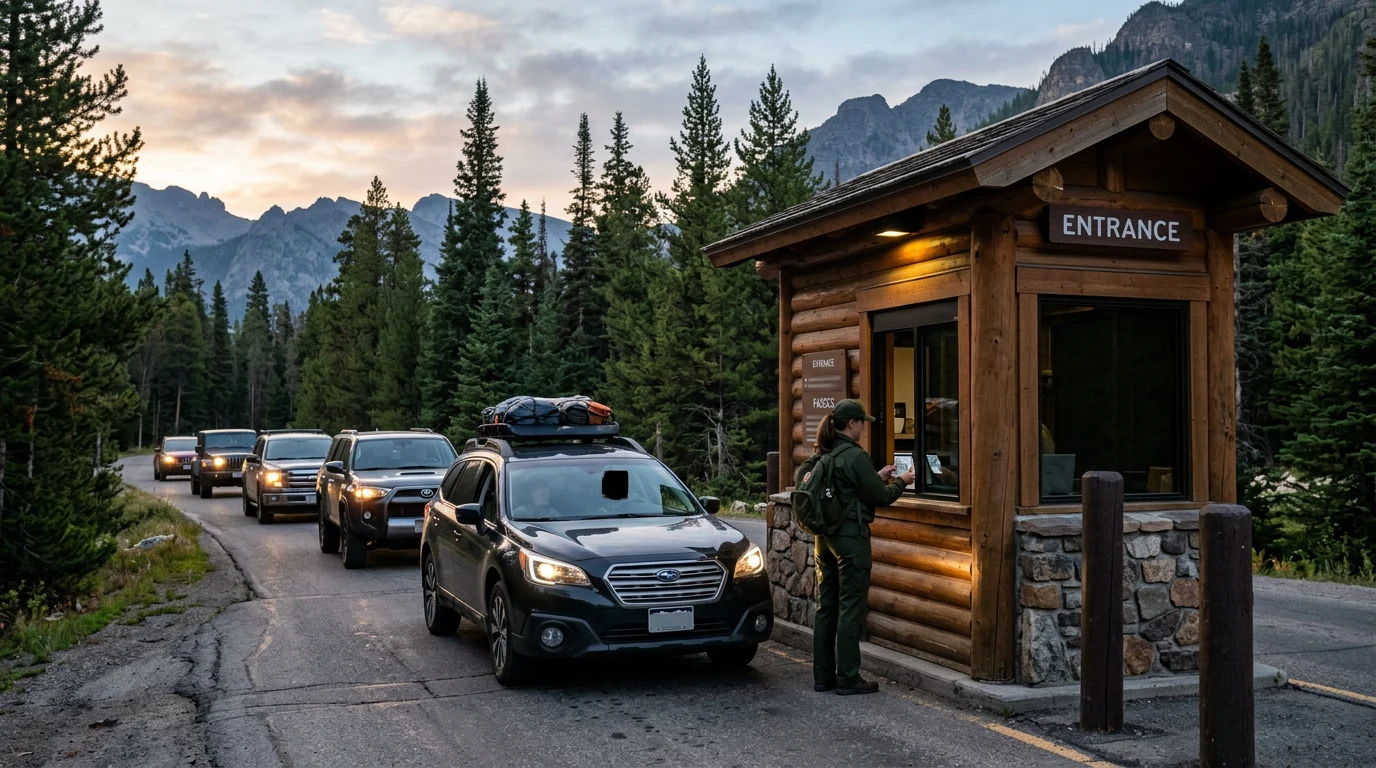
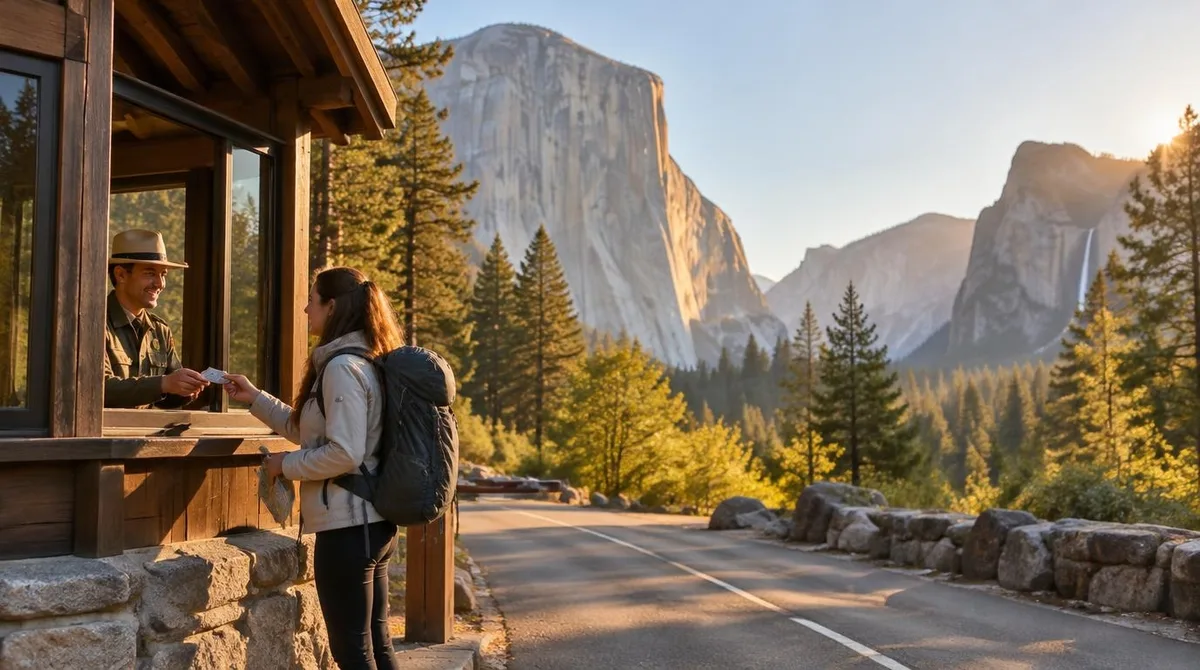
The second number is the per-person surcharge. Eleven parks charge it: Acadia, Bryce Canyon, Everglades, Glacier, Grand Canyon, Grand Teton, Rocky Mountain, Sequoia and Kings Canyon, Yellowstone, Yosemite and Zion. At those gates, nonresidents aged 16 and older pay $100 each. The fee stacks on top of the regular entrance fee. Holders of an annual or America the Beautiful pass skip it. The rule also reaches past private cars. Nonresidents on commercial tour, CUA and concessionaire tour trips pay it too. Those groups escape it only through the non-resident annual pass.
Who Pays, Who Rides Free
The residency line is the whole test. A U.S. resident pays what travelers have paid for years: the $80 annual, or the standard entrance fee, untouched. A nonresident with no pass pays the entrance fee plus the $100 surcharge at the eleven parks. A nonresident with the $250 pass skips the surcharge everywhere. Travelers under 16 pay no per-person fee at all. The charge lands per person, not per car, so the math rides on headcount. Solo travelers feel it first: one nonresident crossing three listed parks without a pass owes $300 in surcharges alone. Four nonresidents visiting two listed parks face $800 in surcharges. The $250 pass erases all of it, with room left for a third park.
Fee-Free Days Now Depend on Residency
The fee-free day calendar changed character too. Those dates used to open every gate to everyone. Beginning in 2026, free entrance days apply to U.S. citizens and residents only. The calendar itself still runs through the year: February 16, May 25, June 14, July 3 through 5, August 25, September 17, October 27 and November 11. National park foreign visitor fees stand on those dates like any other day. An international visitor rolling up on a free day still pays the new prices at the booth.
Conclusion: Do the Pass Math Before the Gate
National park foreign visitor fees reward arithmetic made at the kitchen table, not at the booth. One concrete planning note closes it: any international itinerary touching two or more of the eleven listed parks should buy the $250 non-resident annual pass online before the rental car is picked up. The pass deletes the $100 per-person fee at every gate on the list. This connects to our earlier piece, The 4th Grade National Park Pass: Every Kid Outdoors, Step by Step.